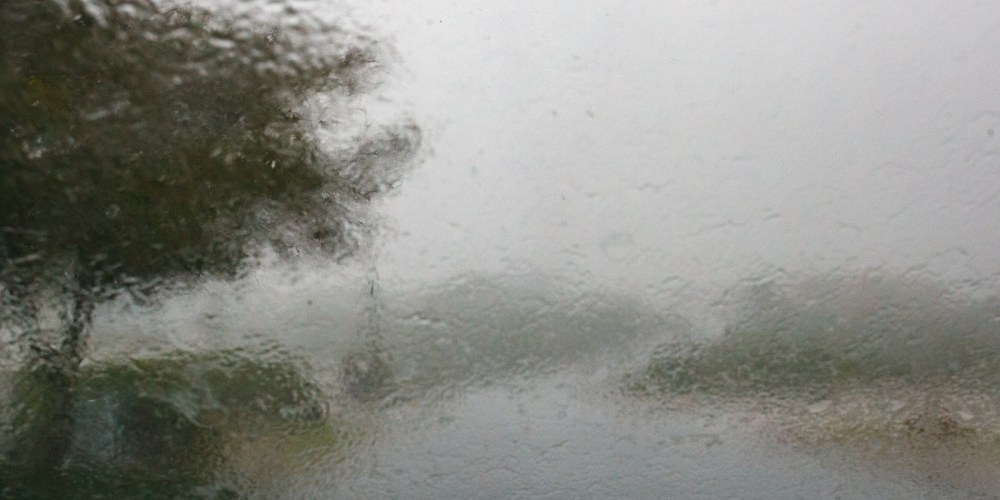
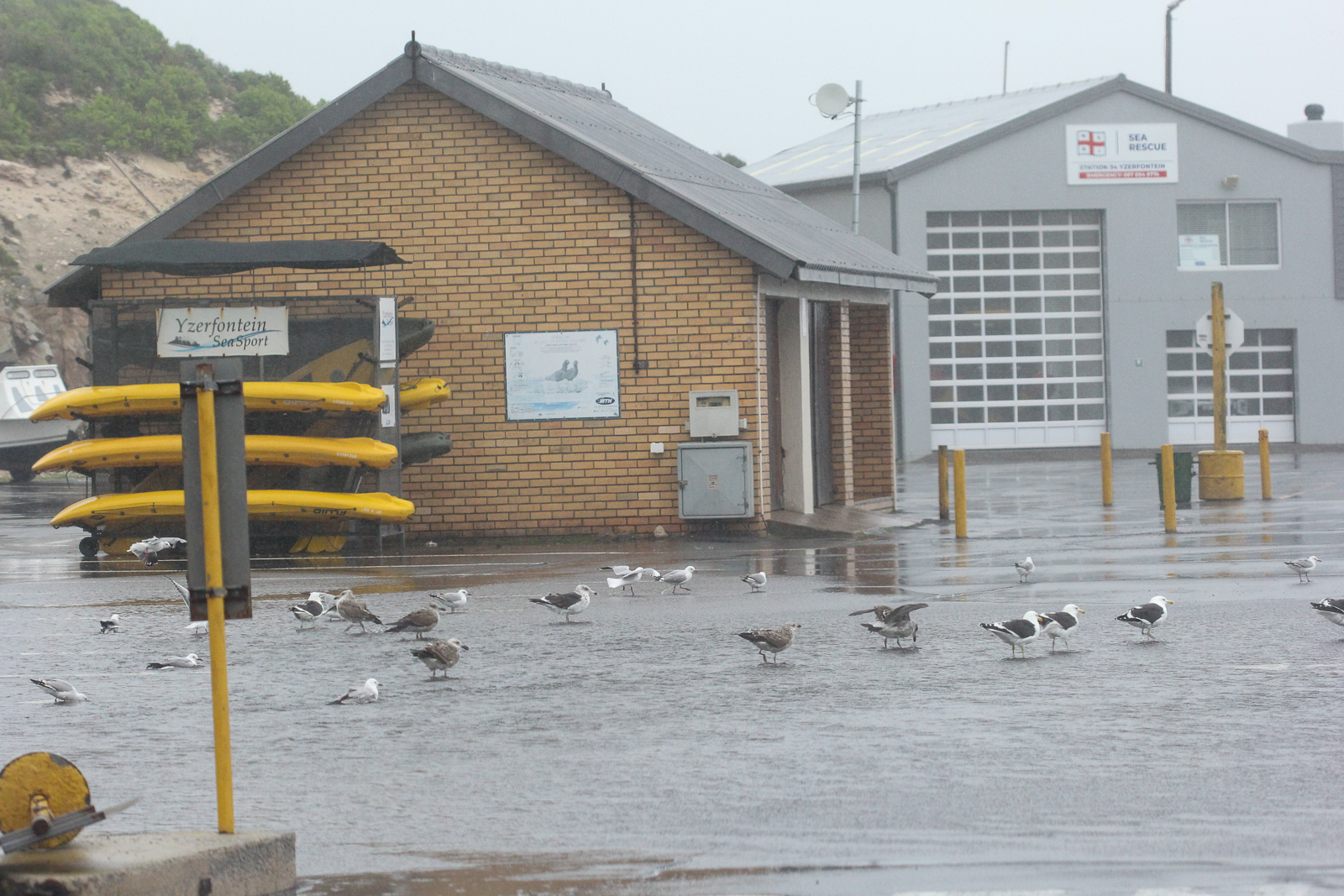
When it rains in Yzerfontein, the weather implodes on the town and its inhabitants.
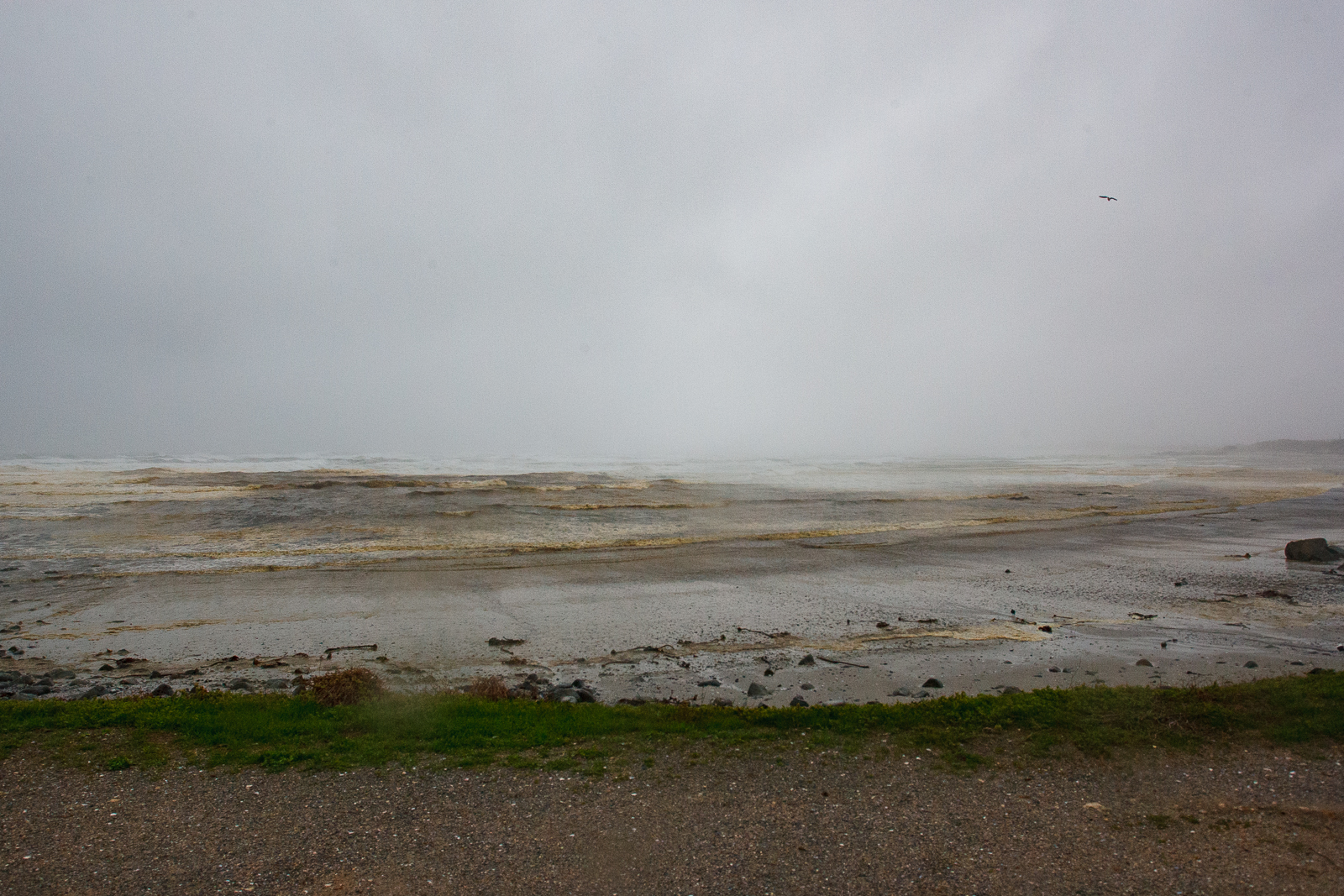
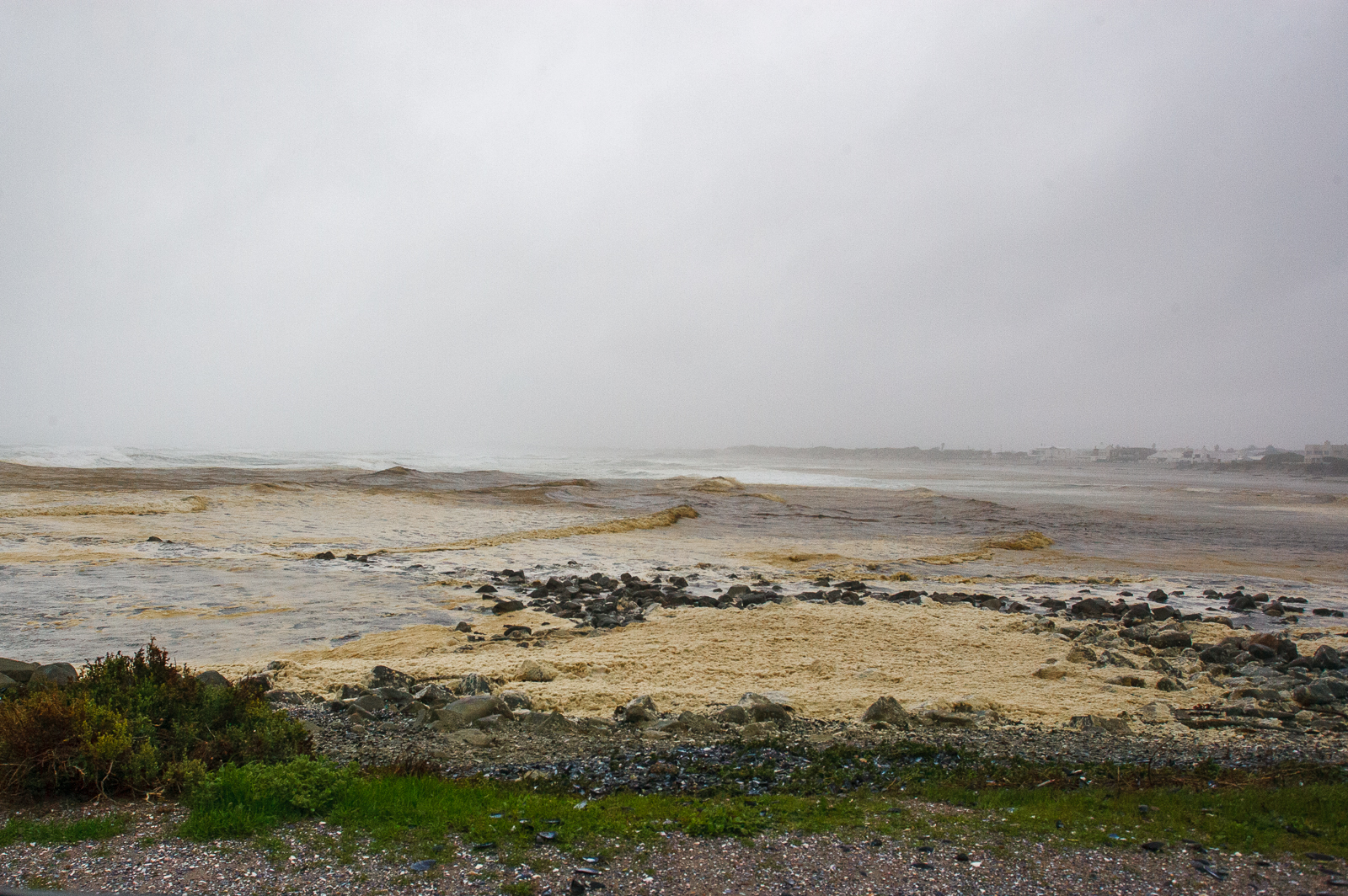
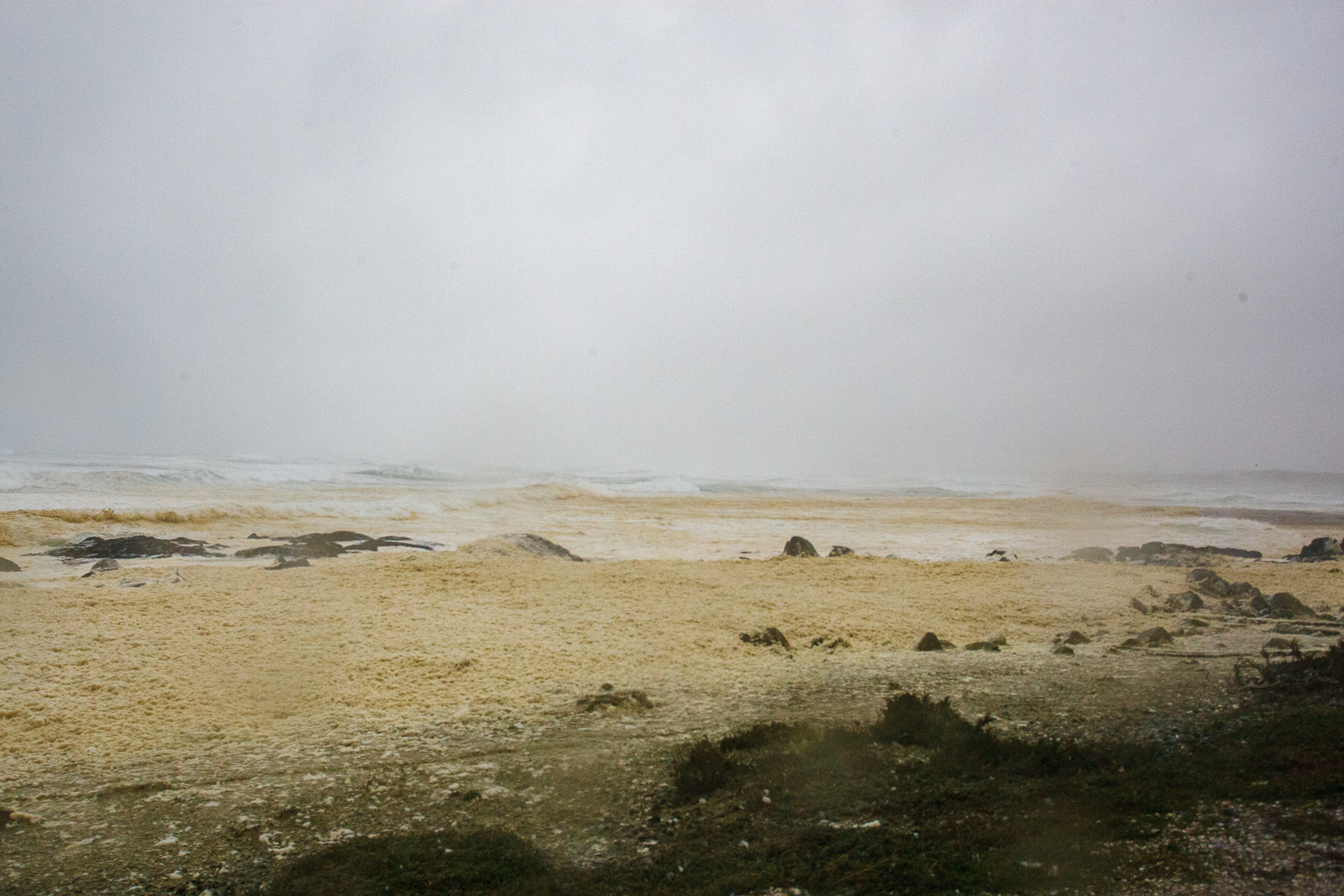
There will be no surfing today. Even the gulls huddle in the wet rather than ride the gusts of wind. The beaches are riddled with the debris of excess, and the waves are covered by the foam of crushed kelp.
Winter is time for this rain; and some mild wetness quickly transforms into massive storms. Invigorating to watch, they are, as long as you have a safe look out post.
Driving around in this wild wet is a treat. Social media alert the residents about flooding points and blown down structures. We hunt them down like treasure points.
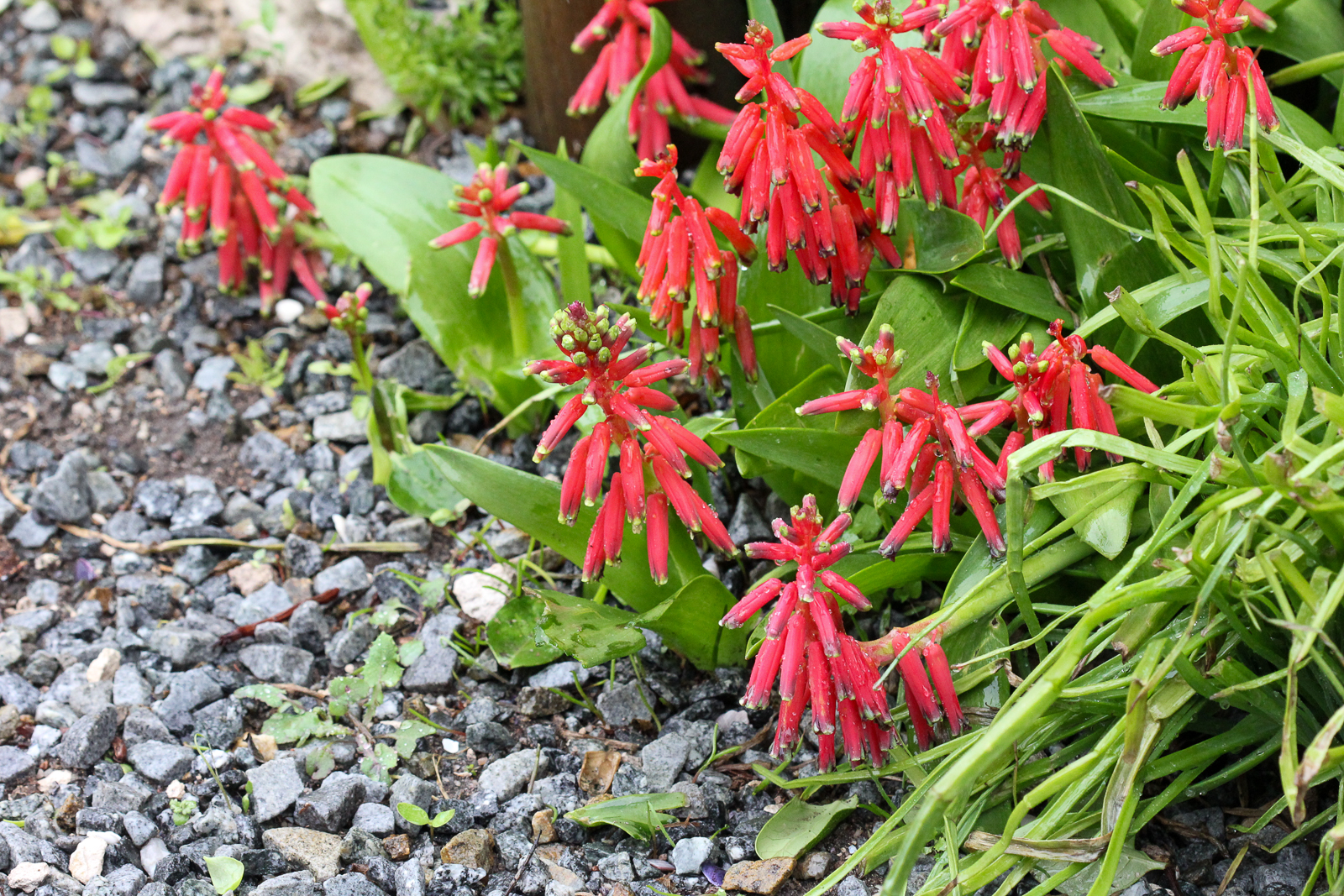
Why revel in this bleakness? Because once the sun reappears we get to see the flowers that will cover our whole West Coast through the months of August and September. The bulbs are showing themselves already.
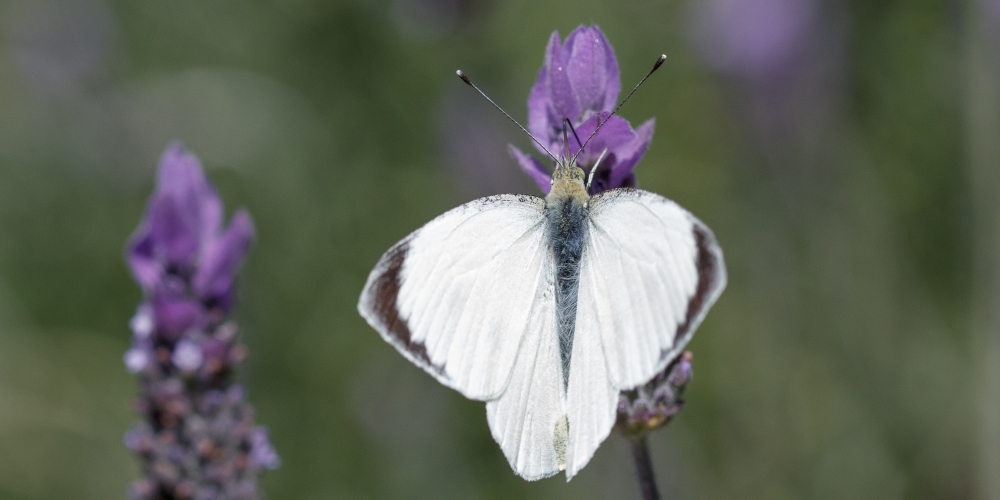
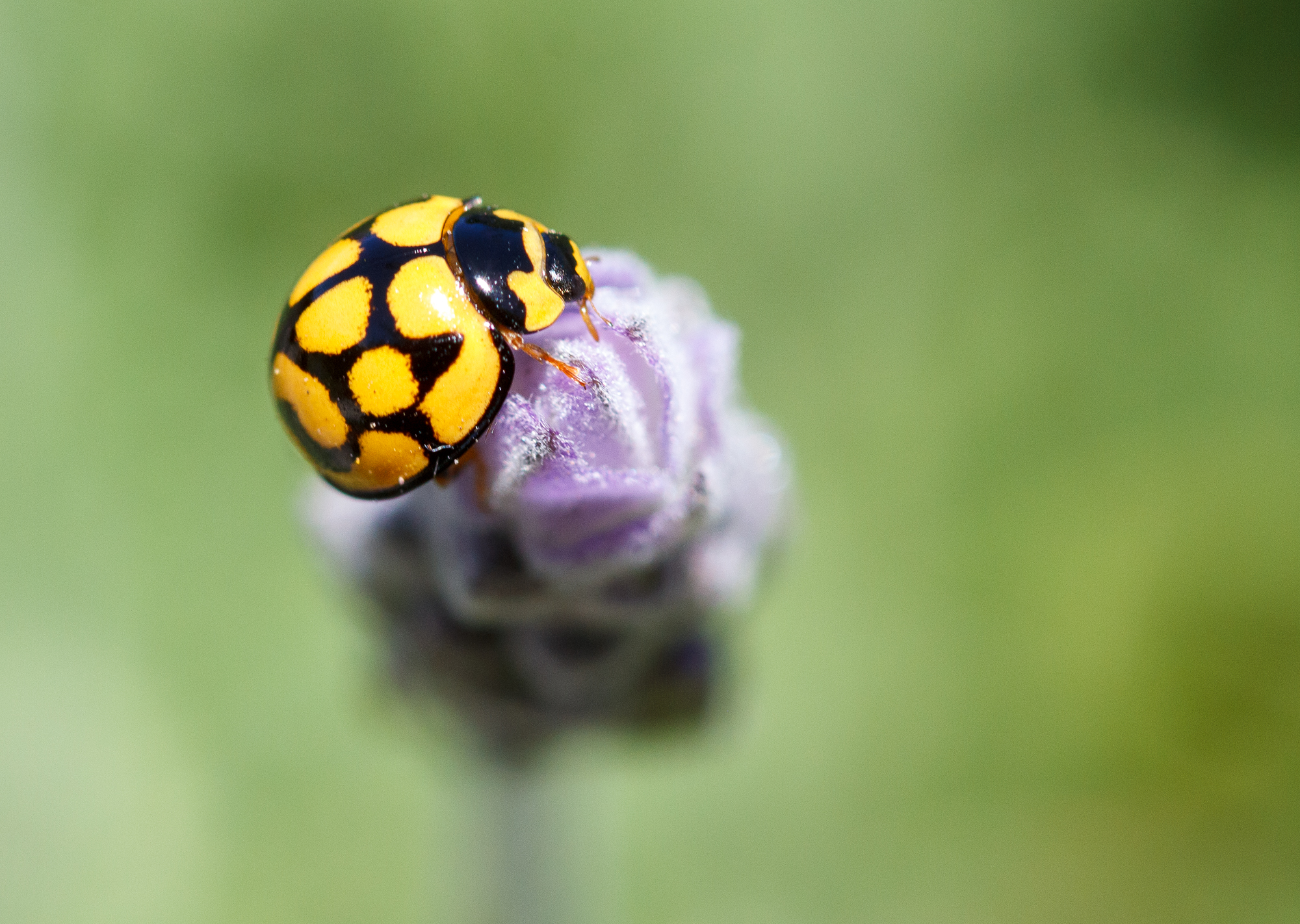
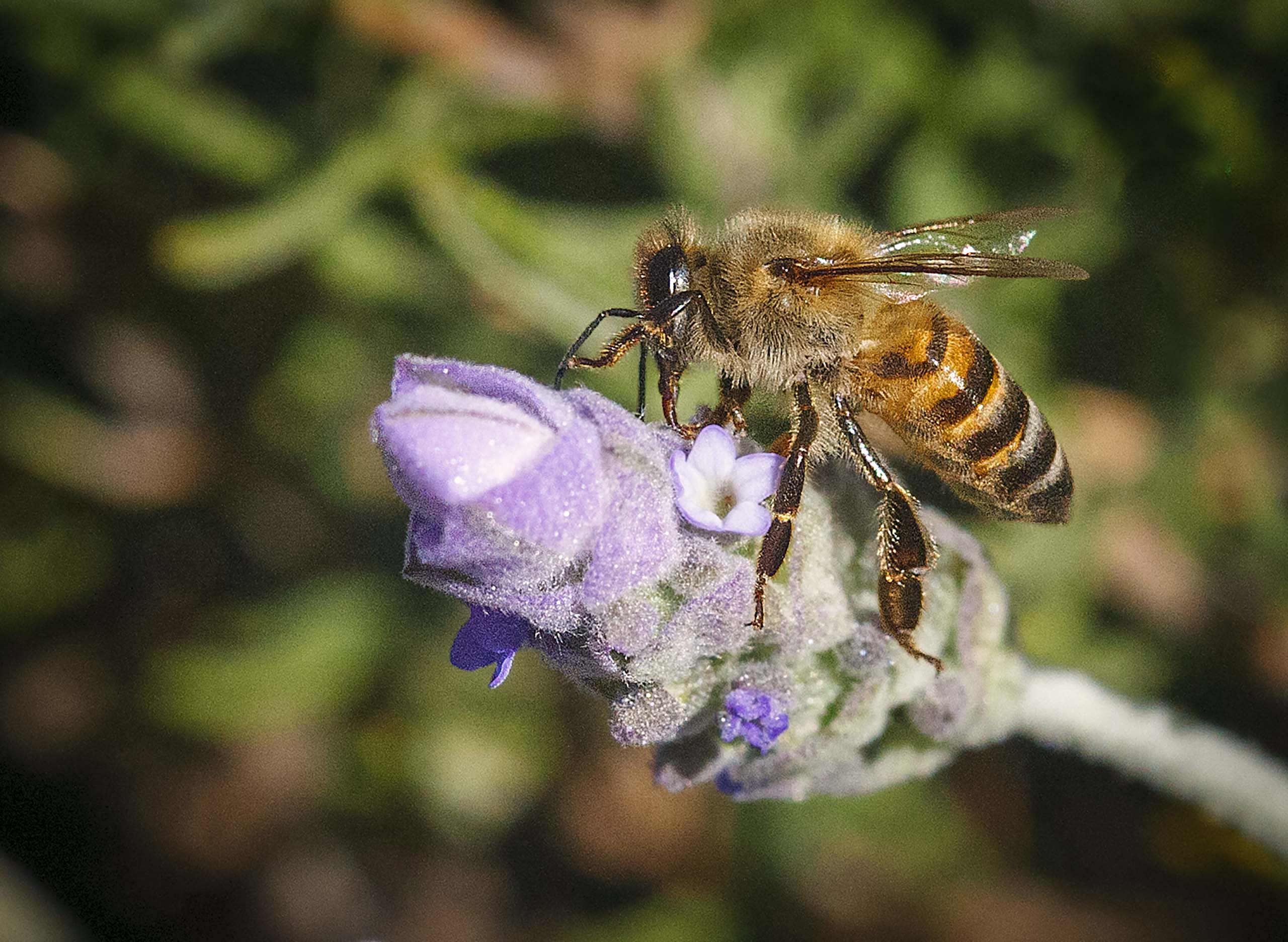
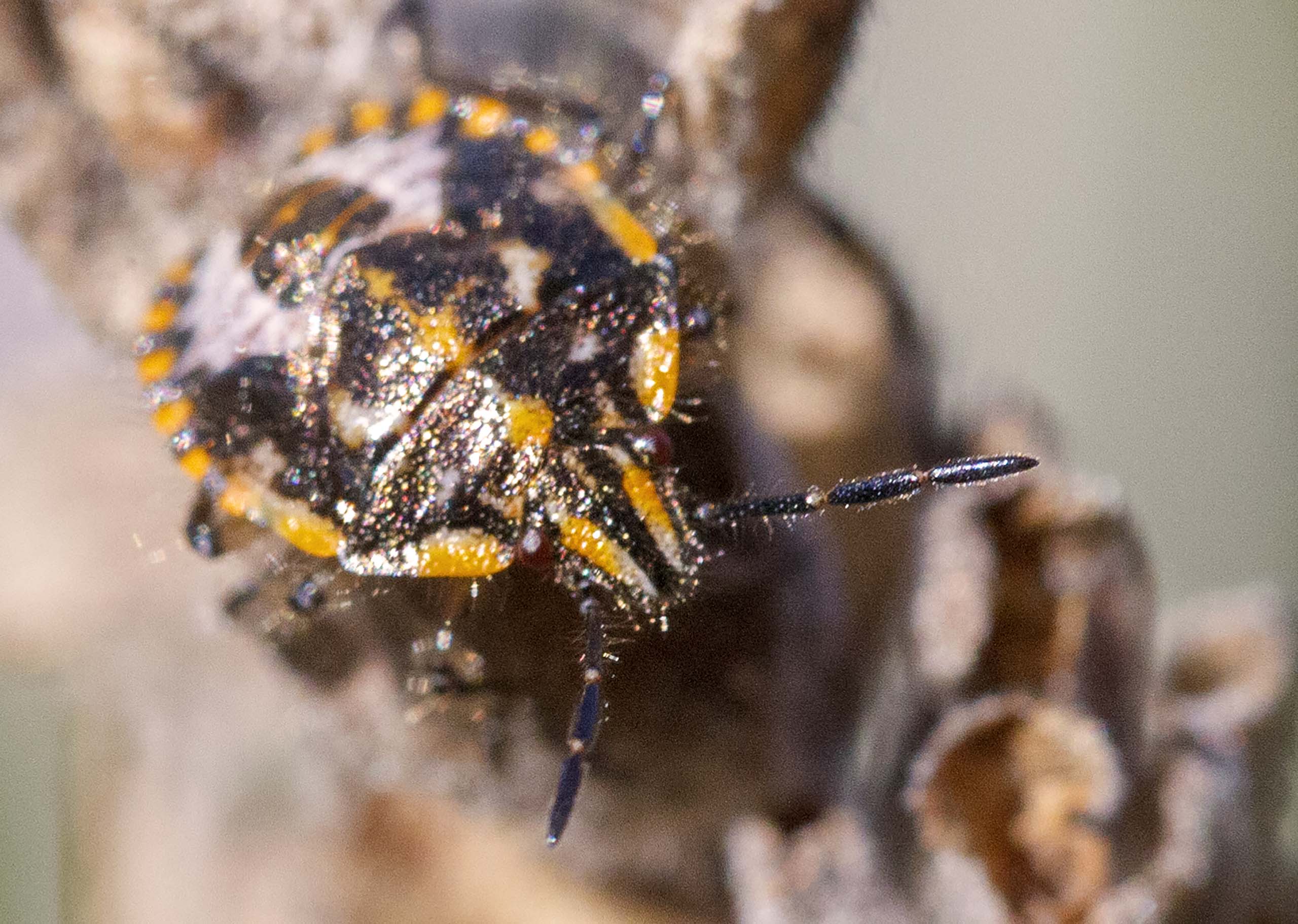
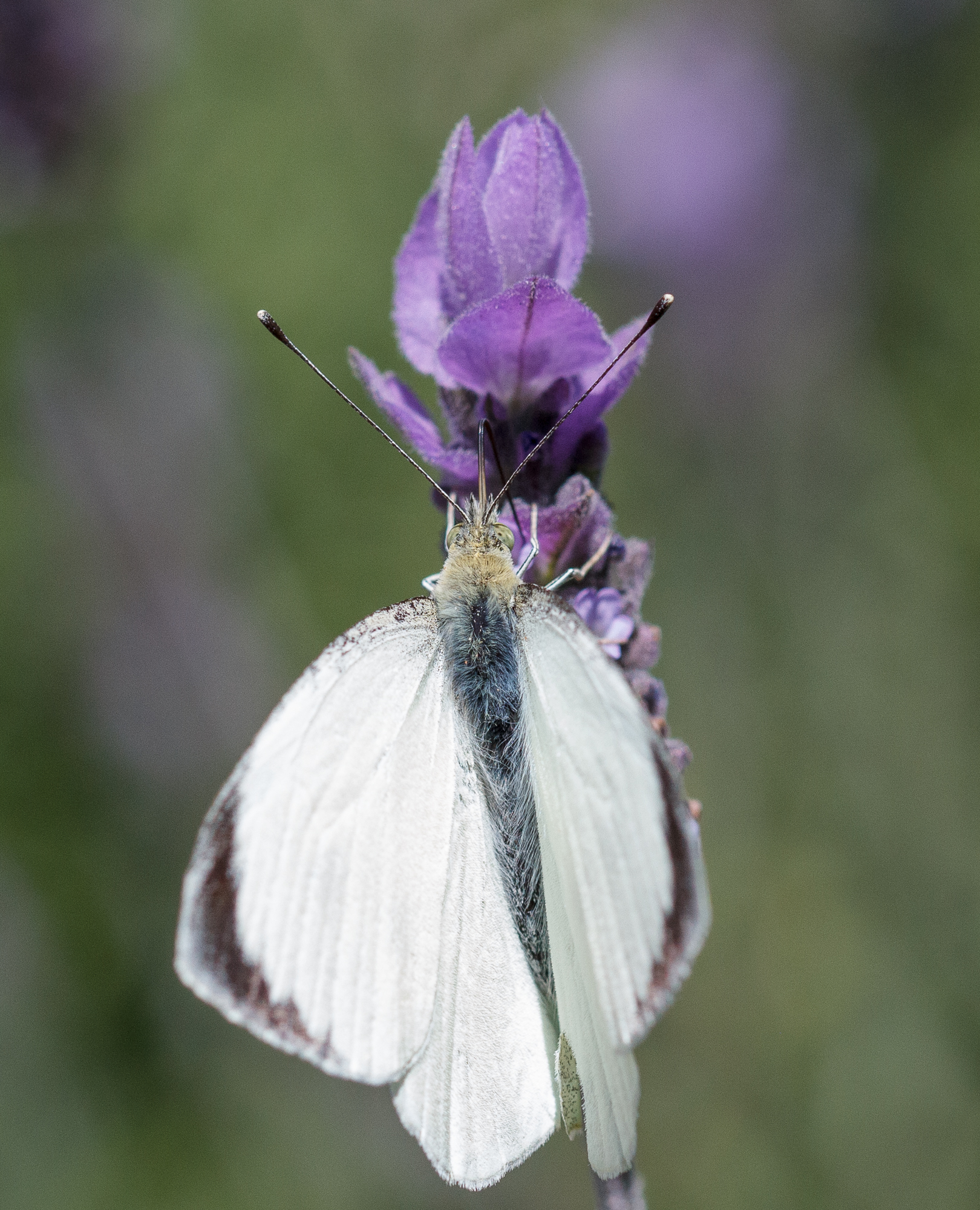
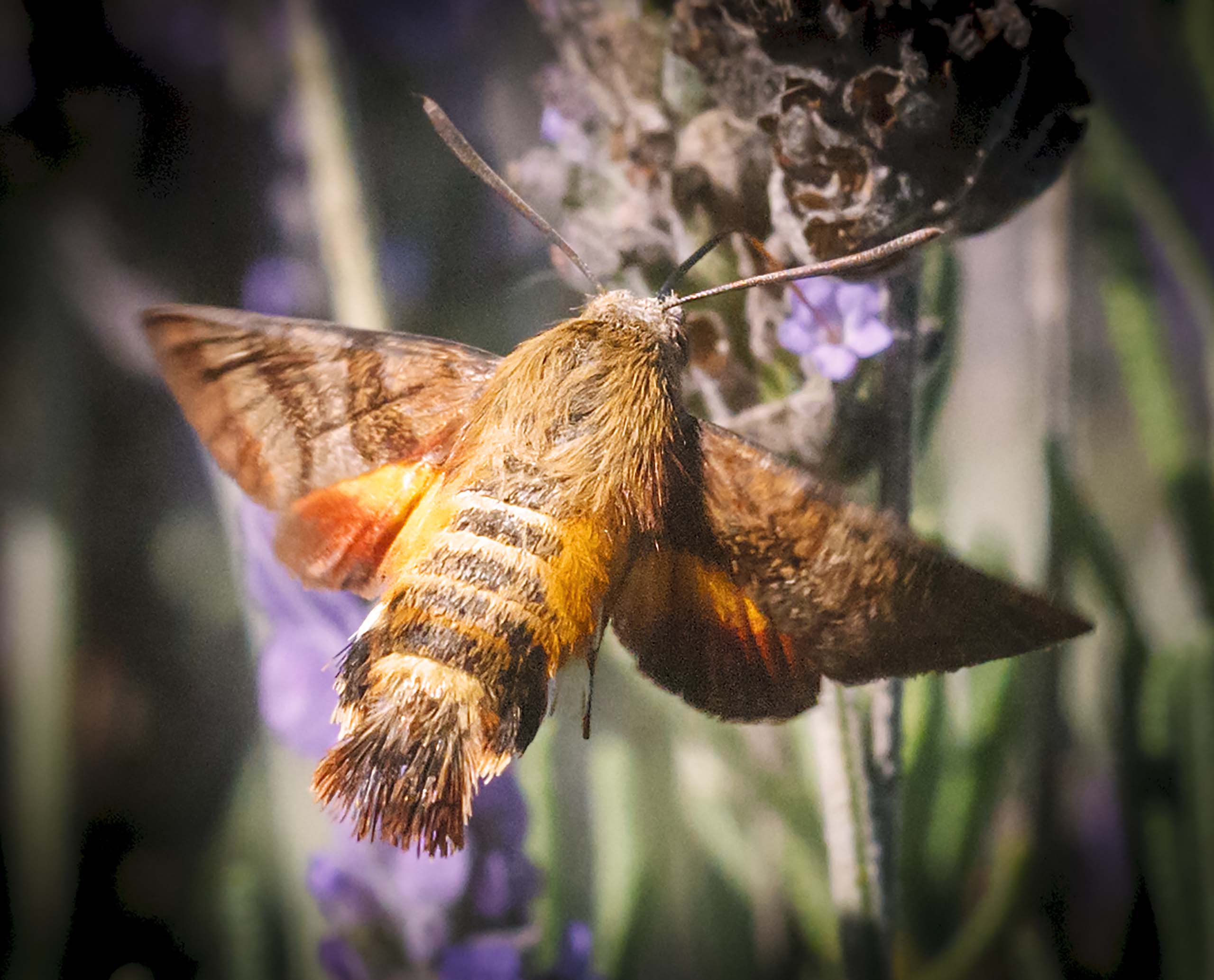
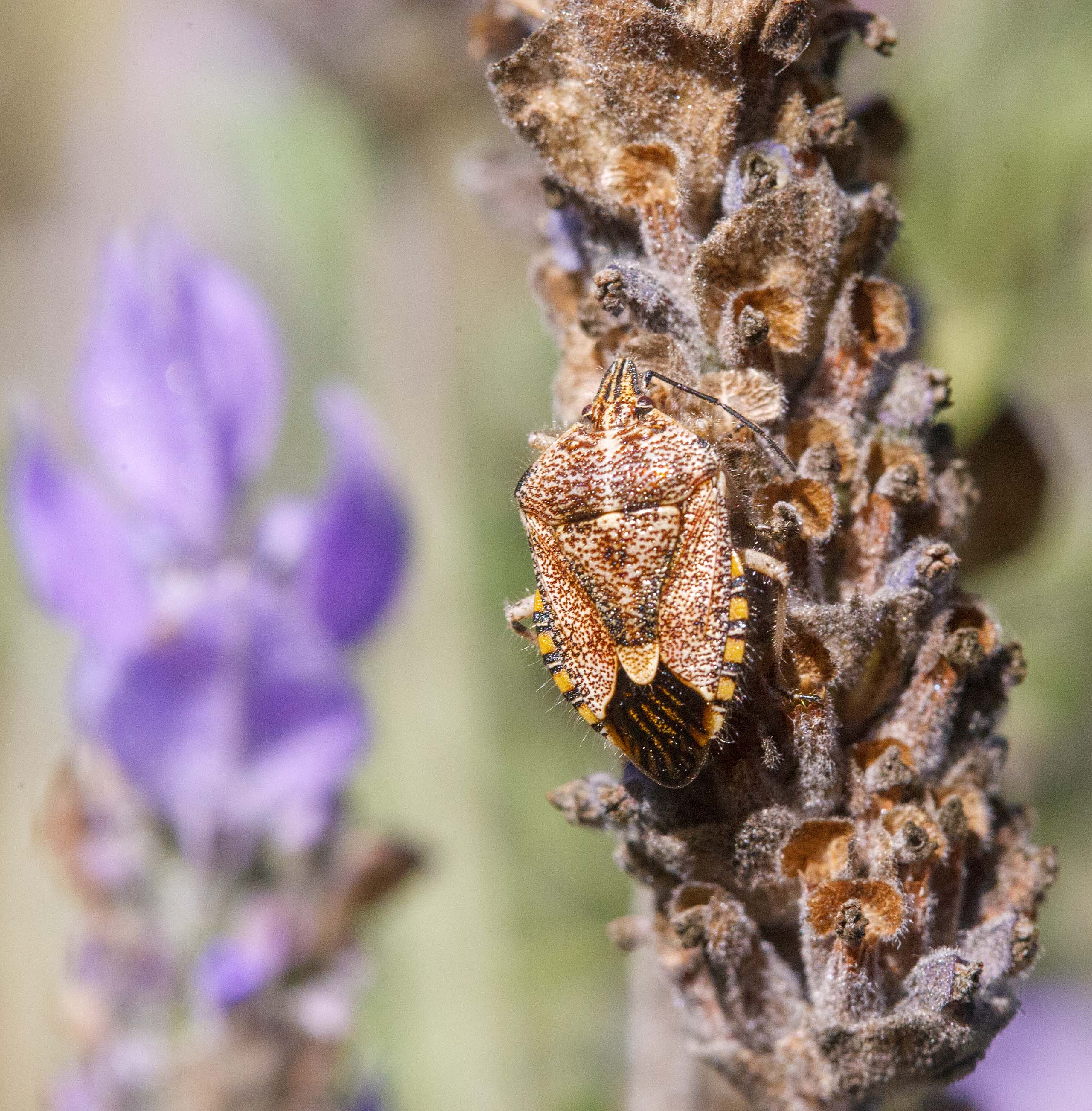
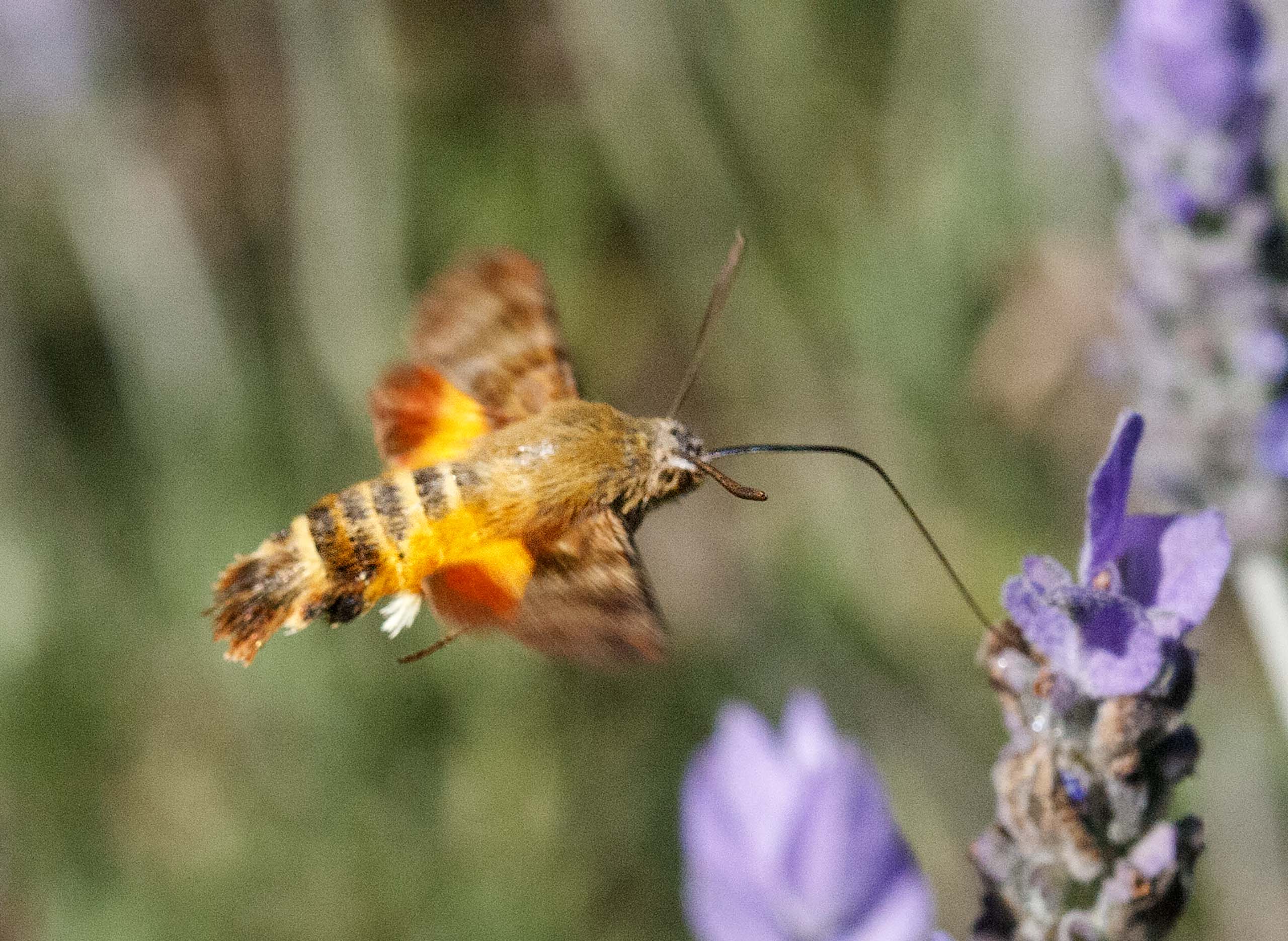
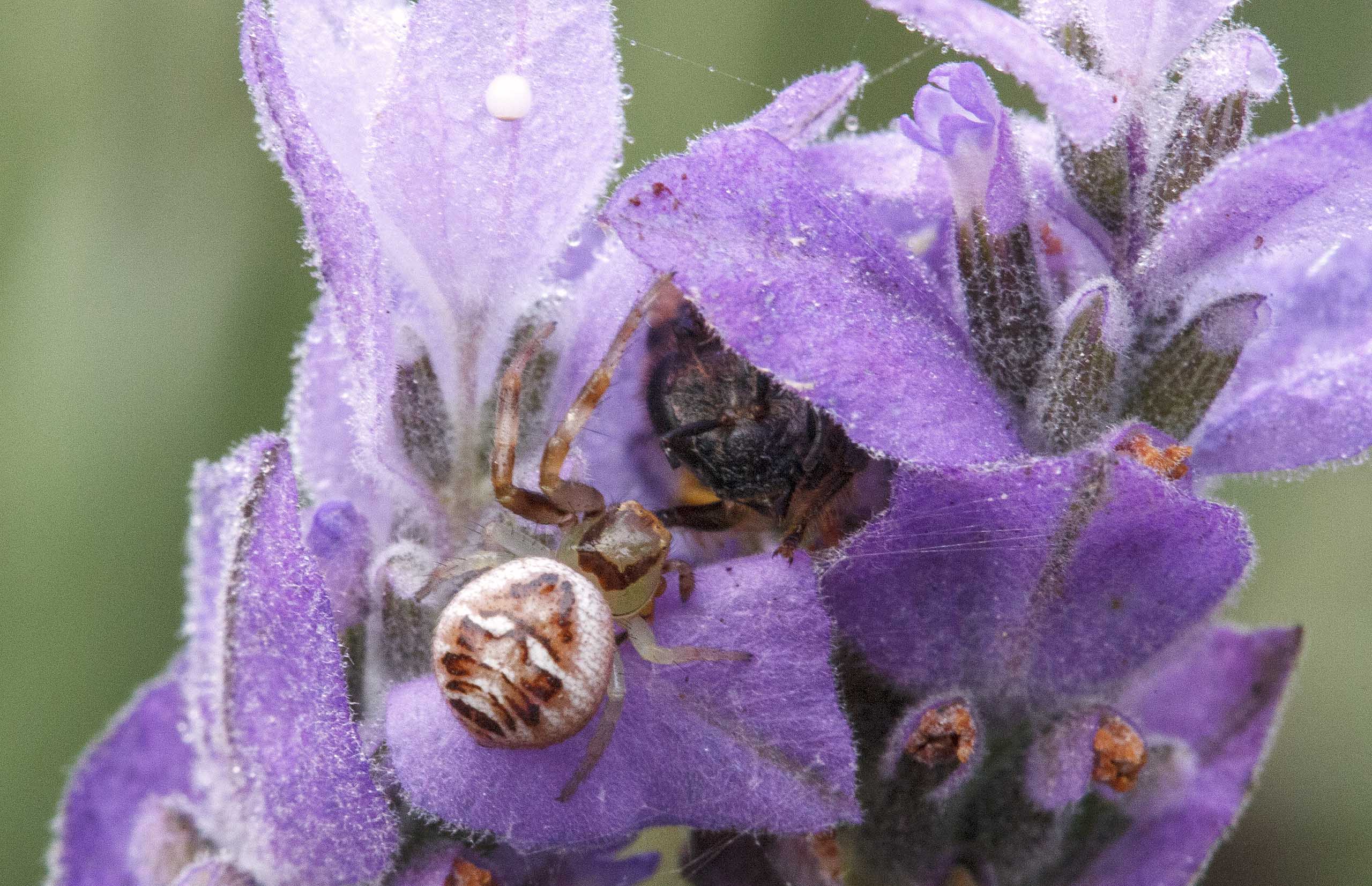
I took time out today from my schedule of paying attention to people and stepped into the back yard. I looked over the current selection of insects living in my garden as a result of my strictly no poison policy. Four kinds of bees, two kinds of hawk moth, something that looked like an enormous black wasp, a spider ensnaring a fly, an unidentified red thing, a spotty insect from last week that had shed its skin and now presented in a beige upscaled format, a white butterfly or two, some snails and an assortment of midges that even I had not focussed on yet. In my small backyard with its lavender bush and succulents I spent the next hour snapping away trying to find the most artful way of recording this upsurge of life.
I returned inside and spent the rest of the day peacefully working, digesting stories, and intermittently looking at the pictures I had so happily taken. As the sun began to set I remembered that I had not found the ‘right shot of the spider.’ I dashed out again into the cooling evening with a very high ISO set on my camera. There of course I found the very obvious, yet truly remarkable thing. There was nothing going on in the backyard. No flying. No crawling. No jumping. No thing. Nothing. Birds, I thought, huddle together in roosts at night and this provides them with warmth and safety. Where were the flying things? Stuck deep in the lavender bush? Were they huddled there watching my every move? I examined the leaves, the branches. Nothing. I grabbed an extended array of lavender flowers and shook the bush. Nothing flew up. There was no cry of distress, no sudden breach of the camouflage. For what surely could not have been the first time, I asked the question: “where did they go?” I bent low to the ground and smelled the moist dampness of the earth… and failed to stretch out a hand. Some primitive part of my brain shuddered and turned away.
Nature is so remarkable that it is difficult to understand its workings in my own body, let alone in the bodies of those creepy crawlies likely to inherit the earth. Typical for our time, the answer had to come from technology. I asked Google: “where do insects go at night?”
About 46 400 000 results (0,61 seconds): Lots of worms, beetles, and other insects sleep on the ground, so you’ll often find them crawling around in the leaf litter or hiding in or under fallen trees and branches.




 Hannelie de Klerk