I am a Clinical Psychologist with an avid love of nature. I take photographs to remind myself to get out of my head and into the world. I run a Private Practice at 18 Versfeld Str in Yzerfontein. I can be contacted on +27828554874.
View all posts by Hannelie de Klerk →
Doves and their etymological cousins, the pigeons, are well known across the majority of the earth’s landmass. People often see them, and seldom give them any thought. The geographical features of the Sahara Desert, Antarctica, and the high Arctic are too stark to allow for the survival of these birds, but elsewhere they are considered abundant.
Even when offered as an example of the potential for extinction, these birds are discussed casually. Let’s look at Passenger pigeons. They are arguably the best known example of Anthropogenic extinction… they were an abundant species. They were eradicated from the surface of the Earth by humans. Quickly. We teach that this tragedy happened because of us, we recognise it as our responsibility, even when using the distancing techniques of language we don’t get much further away than saying they died “due to human activities”.
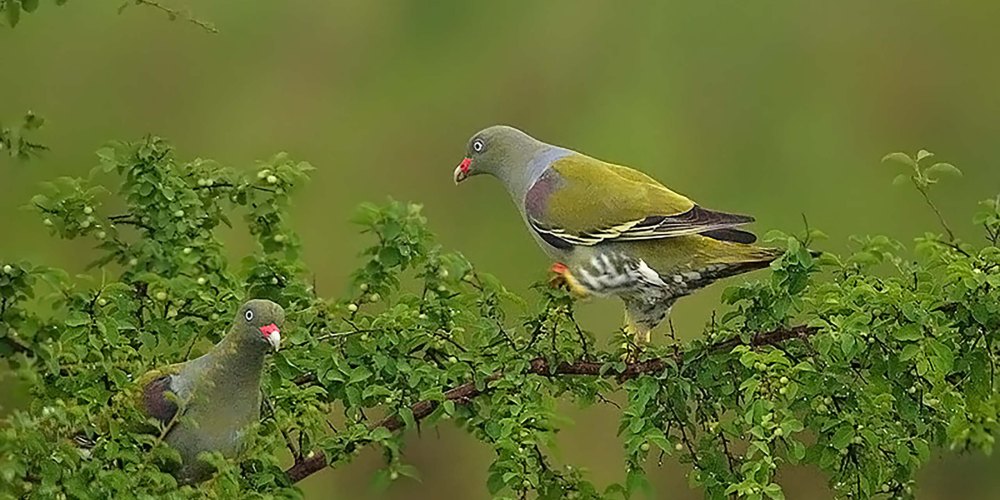
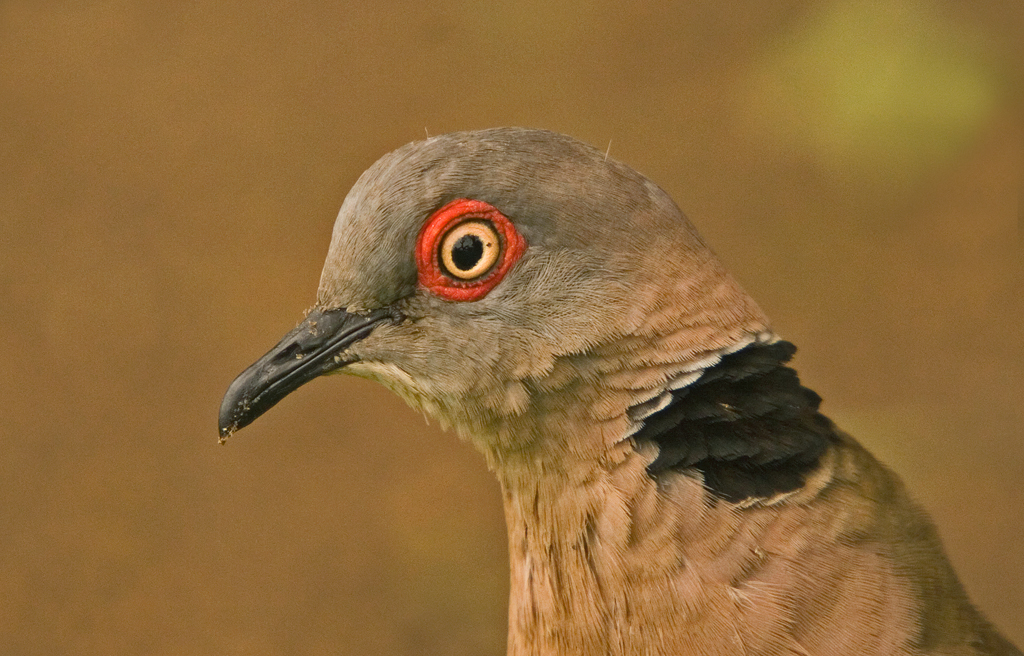
Here are some examples of abundant doves and pigeons. Decide if they are ordinary, dismissible, easy to live without.
Cape Turtle Dove, Nossob, Kgalagadi
Mourning dove, Kruger NP
Red-eyed dove, JHB
A Laughing Dove flying over Marievale, Gauteng
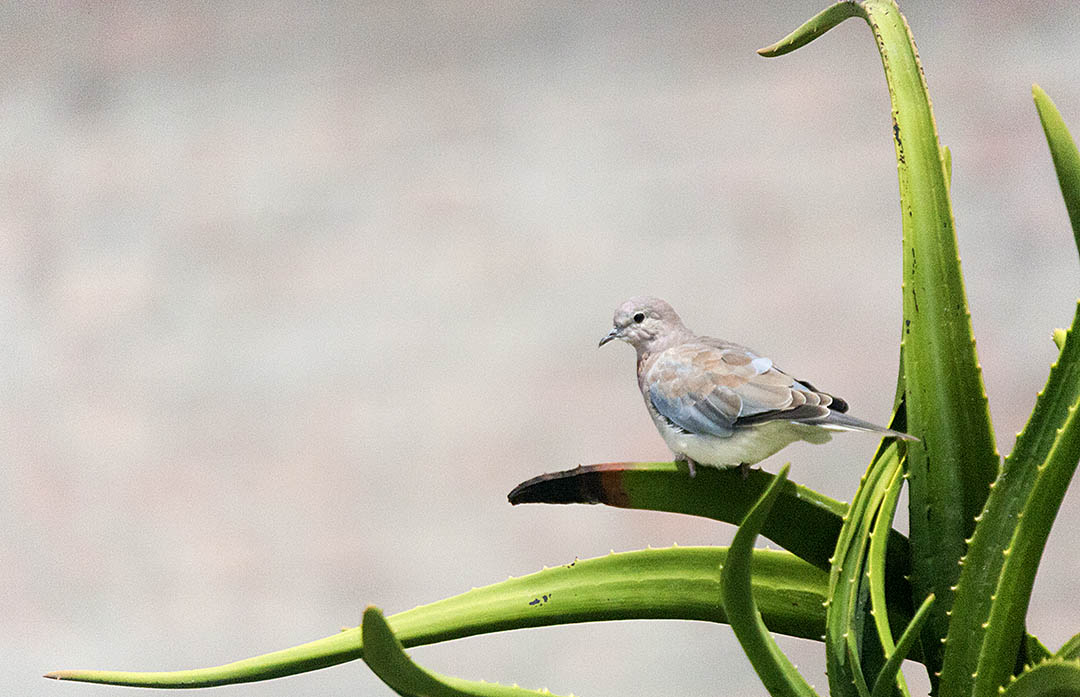
Laughing Dove, Yzerfontein
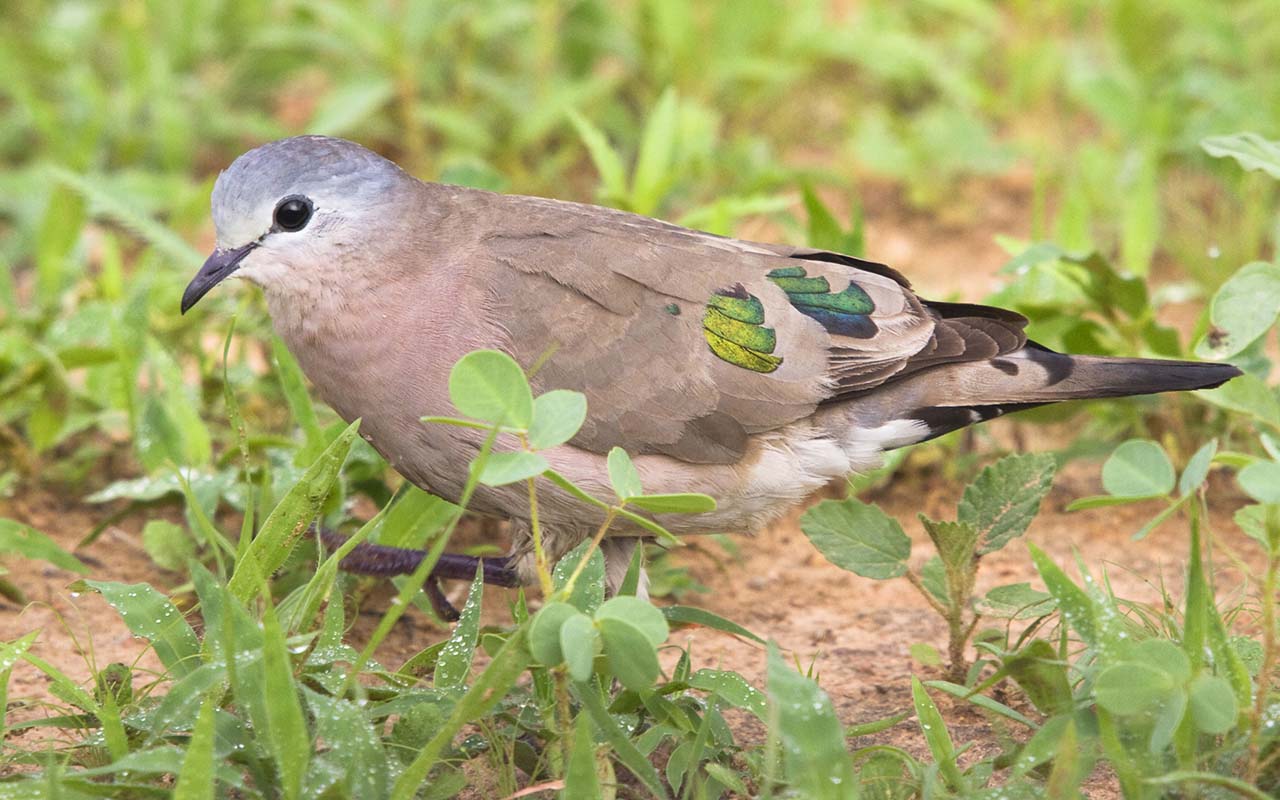
An Emerald spotted wood-dove in the Kruger National Park
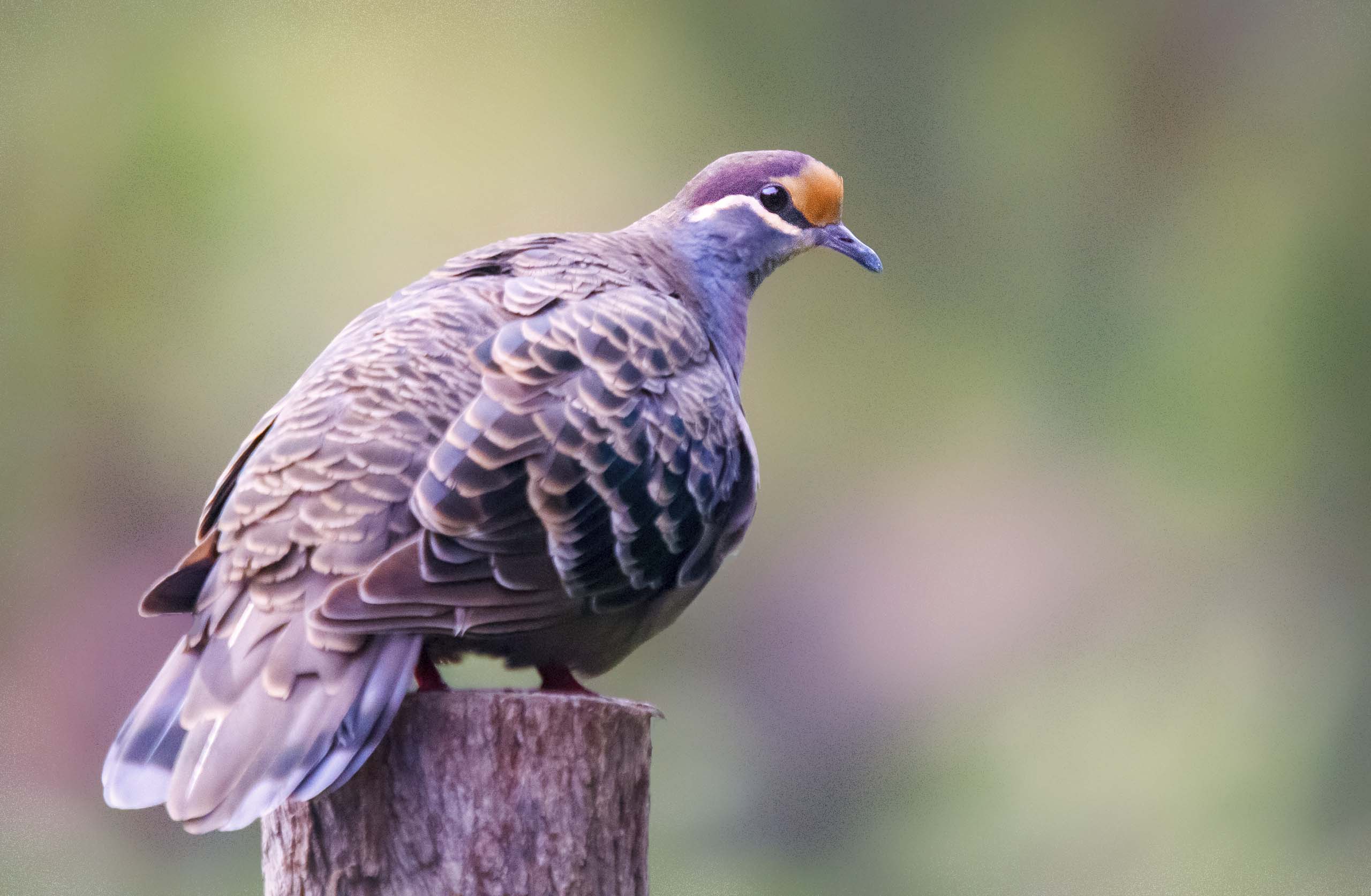
Common Bronze-winged Pigeon, Melbourne, Australia
Currently at least eleven species of doves and pigeons are endangered world wide. How many can we afford to lose before we know they are no ordinary birds?
This is no ordinary love No ordinary Love This is no ordinary love No ordinary Love
Keep trying for you Keep crying for you Keep lying for you Keep flying and I’m falling











 Hannelie de Klerk